
Where to Buy Rosemary Plants in Bulk in Pretoria & Gauteng: The Ultimate Value & Cultivar Guide

Looking to plant a dense, fragrant rosemary hedge or stock up on culinary herbs without overpaying? Whether you are landscaping an estate, planting a water-wise border, or establishing a kitchen garden, buying rosemary in bulk just outside Pretoria yields incredible per-plant savings. Discover how Lavender SA’s mature farm-direct stock compares against local Gauteng nurseries—and how to get instant height for a fraction of retail prices.

🌿 Farm Direct Special: Skip tiny starter pots! At Lavender SA, our Rosmarinus officinalis 'Tuscan Blue' plants come in large 2.8L bags (over 1 metre tall with established root systems). Buy 10 for just R400—giving you mature, instant impact for only R40 per plant!
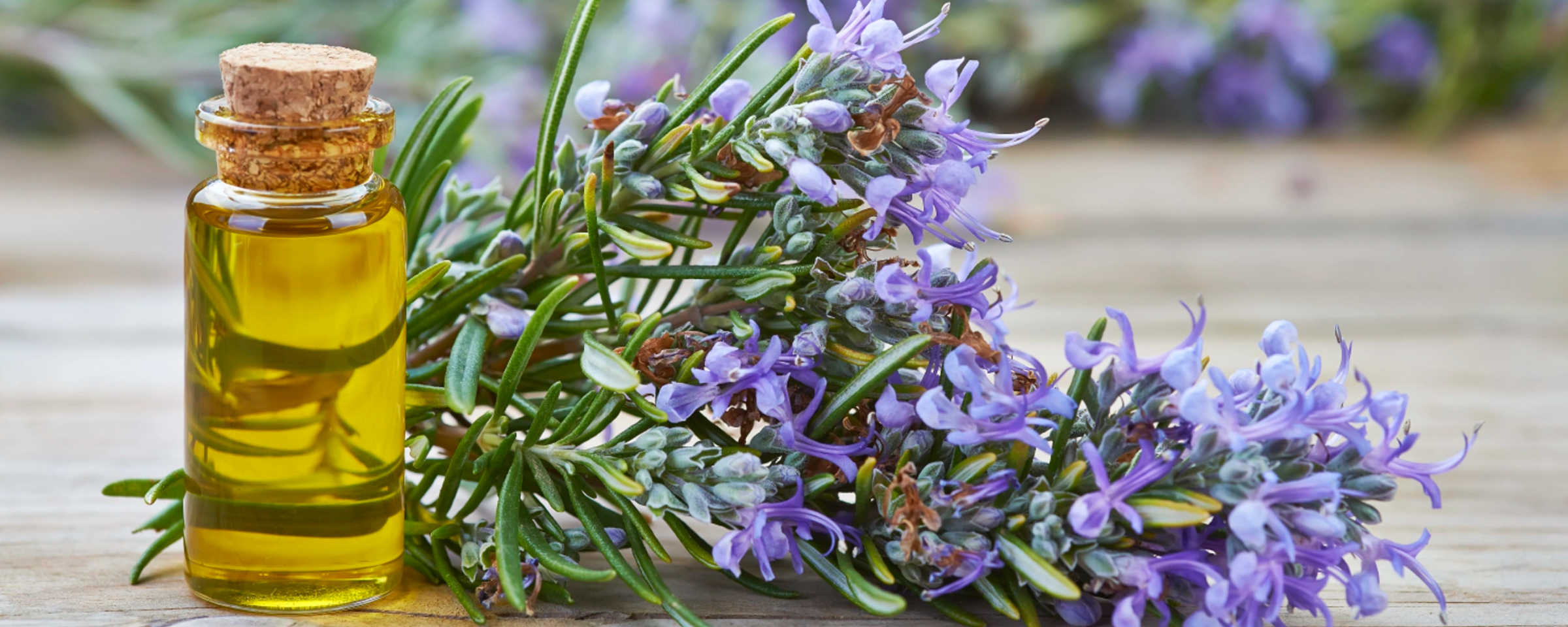
Tuscan Blue Rosemary Plants 2.8L Lavender SA Pretoria

Gauteng Retailer Comparison: Buying Rosemary in Bulk vs Retail

When shopping for rosemary (Salvia rosmarinus) in Pretoria and across Gauteng, prices vary wildly based on container volume, plant height, and root maturity. If you are ordering online or driving just outside Pretoria to source your stock, here is how the local market breaks down:

Supplier / Nursery Cultivar & Pot Size Plant Height / Maturity Price & Value
Lavender SA
(Pretoria East Farm)
Rosmarinus officinalis 'Tuscan Blue'
2.8L Bag
1.0m+ Tall
Established root system
R40.00 each
(Buy 10 for R400 Special!)
Landscaping company
(Online)
Salvia Rosmarinus
1L Pot
Young starter plant
(~25cm–40cm)
R24.50 discounted
Nurseries
(Pretoria and Joburg Outlets)
Tuscan Blue & 'Ginger' Rosemary
17cm Standard Pot
Medium established
(~45cm–60cm)
R89.99 each
(Standard retail nursery rate)

Why Root Maturity Matters: While small 1L pots from volume suppliers like Fine Lines offer cheap entry pricing, they require 12 to 18 months of intensive watering and care to grow into mature hedge height. Retail nurseries charge up to R89.99 for medium 17cm pots. Lavender SA’s 2.8L Tuscan Blue special eliminates the wait time completely—giving you fully established, 1-metre tall structural plants for less than half the price of standard nursery stock.

Rosemary Privacy Hedge Tuscan Blue Pretoria East Farm

Why Choose Rosmarinus officinalis 'Tuscan Blue'?

Not all rosemary varieties are created equal. Tuscan Blue is widely considered by South African landscape architects and estate gardeners to be the premier structural rosemary cultivar for several reasons:

1. Upright, Architectural Growth Habit

Unlike sprawling or semi-prostrate varieties, Tuscan Blue grows in a sturdy, columnar form reaching up to 1.5m to 2.0m in height. This makes it the ultimate choice for formal low hedges, driveway borders, windbreaks, and screening around patios.

2. Vibrant Violet-Blue Blooms

Tuscan Blue produces deep, rich violet-blue flowers that bloom profusely throughout spring and summer, attracting bees, butterflies, and beneficial pollinators to your Highveld garden.

3. Highveld Frost & Heat Resistance

Hardened directly under Gauteng sun and winter conditions at our Pretoria East farm, our 2.8L plants effortlessly handle Highveld summer heatwaves as well as winter frosts down to -5°C.

4. Superior Culinary Essential Oils

Featuring broad, highly aromatic glossy green leaves, Tuscan Blue is rich in aromatic oils—making it an exceptional culinary herb for roasts, artisanal oils, braais, and food seasoning.

Bulk Rosemary Nursery Stock Lavender SA

Creative Ways to Use Tuscan Blue Rosemary in Your Garden

1. Water-Wise Mediterranean Borders

Pair Tuscan Blue Rosemary alongside our signature French Royal Crown Lavender for a classic, drought-tolerant Mediterranean garden design that thrives on low water consumption.

2. Formal & Semi-Formal Edging

Plant your 1m-tall Tuscan Blue rosemary bushes 50cm to 60cm apart for an instant, dense green wall that can be clipped cleanly like boxwood or left natural for a soft, informal hedge.

3. Companion Planting in Vegetable Gardens

Rosemary’s strong essential oils act as a natural pest deterrent, protecting nearby crops from beetles and aphids while attracting vital honeybees to pollinate your fruit trees.

4. Fragrant Entrance Feature Containers

Thanks to their vigorous root systems and strong upright branching, 2.8L Tuscan Blue rosemary plants adapt beautifully to large terracotta pots flanking front entrances and sunny stoeps.

Planting & Care Guide for 1-Metre Established Rosemary

Getting your 2.8L Lavender SA rosemary plants off to the best start is simple when following these Gauteng-specific care rules:

  • Sunlight Requirements: Plant in full sun (minimum 6+ hours of direct sunlight daily). Full sun ensures maximum oil density and prevents leggy growth.
  • Soil Preparation: Rosemary loves well-draining soil. Dig a hole twice as wide as the 2.8L root ball, and blend 30% river sand or composted bark if planting in heavy Highveld clay.
  • Watering Protocol: Water deeply twice a week for the first 3 to 4 weeks after planting to settle the root system. Once established, water only during severe dry spells or once every 10–14 days in summer.
  • Pruning: Lightly trim the top and sides after peak flowering to encourage thick, bushy lateral growth. Never cut back into old, bare wood.

Frequently Asked Questions About Buying Rosemary Online & Bulk Orders

Why buy 2.8L bags instead of small 1L pots?

A 2.8L bag gives the plant significantly more root volume. Our Tuscan Blue plants are already 1m+ tall with mature, established roots—saving you over a year of growth time compared to 1L starter pots.

How many plants do I need for a solid hedge?

For a dense, seamless hedge, space your plants 50 cm to 60 cm apart. Our 10-plant bulk bundle (R400) provides enough mature stock for a 5 to 6-metre hedge run instantly.

Can I collect directly from your farm?

Yes! You are welcome to collect your bulk rosemary order directly from our farm in Pretoria East by appointment, or we can arrange local courier delivery straight to your door across Gauteng.

Claim Your 10 for R400 Rosemary Special Today!

Don't wait months for tiny nursery saplings to grow. Get instant 1-metre height, established roots, and massive savings with Lavender SA's bulk Tuscan Blue Rosemary plants.

Incredible health benefits of rosemary

Beyond the Garden: The Incredible Health, Hair & Skin Benefits of Rosemary

Rosemary (Salvia rosmarinus) is much more than a stunning landscape hedge or a culinary herb for Sunday roasts. For centuries, this aromatic Mediterranean evergreen has been celebrated for its powerful medicinal properties, rich antioxidant content, and natural cosmetic wonders. Whether you are growing your own rosemary or using harvested sprigs, here is how you can incorporate it into your daily self-care routine:

1. Rosemary Water & Oil for Hair Growth

Rosemary has taken the beauty world by storm as a natural remedy for thinning hair and scalp health. Rich in rosmarinic acid, it stimulates blood circulation to the hair follicles, encourages cellular generation, and helps block DHT (the hormone linked to hair loss). Boiling fresh rosemary sprigs to create a DIY hair rinse or massaging diluted rosemary essential oil into the scalp helps reduce dandruff, soothe an itchy scalp, and promote thicker, faster hair growth.

2. Clarifying & Anti-Aging Skincare Toners

Packed with powerful antioxidants and anti-inflammatory compounds, rosemary is a natural powerhouse for glowing skin. Steeped rosemary water makes an incredible, clarifying facial toner. It helps balance oily skin, tightens pores, calms redness associated with acne or eczema, and neutralizes free radicals that contribute to premature skin aging.

3. Holistic Wellness: Rosemary Tea & Digestion

Brewing a warm cup of herbal rosemary tea (using fresh or dried sprigs) offers remarkable internal health benefits. It is traditionally used to support healthy digestion, ease bloating after heavy meals, boost liver function, and reduce oxidative stress. Its natural aroma is also known to help alleviate mental fatigue and improve cognitive focus.

4. Natural Aromatherapy & Stress Relief

The invigorating, pine-like fragrance of fresh rosemary contains compounds like 1,8-cineole, which has been shown in studies to lower cortisol (stress) levels and elevate mood. Simply crushing fresh rosemary sprigs in your hands or placing a bundle in your shower steam creates an instant, spa-like aromatherapy experience.

Simple DIY Rosemary Recipes to Try at Home

  • DIY Rosemary Hair Mist: Boil a handful of fresh Tuscan Blue rosemary sprigs in 2 cups of distilled water for 15 minutes. Let it cool completely, strain into a spray bottle, and mist onto your scalp 2–3 times a week to stimulate hair growth.
  • Digestive Rosemary Tea: Steep 2 to 3 fresh sprigs of rosemary in boiling water for 5 to 7 minutes. Add a touch of raw honey and a squeeze of fresh lemon for a soothing post-meal digestive tonic.
  • Clarifying Facial Steam: Add fresh rosemary sprigs to a bowl of steaming hot water, drape a towel over your head, and let the botanical steam open and purify your pores for 5 minutes.

Rosemary care guide

Complete Planting & Care Guide: How to Grow Thriving Rosemary in South Africa

Rosemary (Salvia rosmarinus) is famously tough, drought-tolerant, and low-maintenance once established. However, giving your plants the right start in their first few months determines whether they become lush, dense architectural bushes or struggle with root rot. Follow these expert guidelines for optimal growth:

1. Sunlight Requirements

Rosemary is a sun-worshipper originating from the Mediterranean basin. Ensure your plants receive a minimum of 6 to 8 hours of direct, unfiltered sunlight daily. Planting them in deep shade or under heavy tree canopies will result in weak, leggy stems and reduced essential oil production.

2. Soil & Drainage (Crucial!)

The number one killer of rosemary is "wet feet" (permanent waterlogging). Rosemary demands exceptionally well-draining soil. If you are planting in heavy Highveld clay, amend the soil with 30% coarse river sand, perlite, or composted bark to prevent root rot.

3. Watering Protocol

For the first 3 to 4 weeks after planting your 2.8L Lavender SA rosemary bushes, water deeply twice a week to help roots settle into surrounding soil. Once established, they are highly drought-tolerant—water thoroughly only during prolonged dry spells or once every 10–14 days in summer.

4. Fertilizing & Mulching

Rosemary actually prefers poor, nutrient-lean soils and dislikes heavy feeding. Avoid high-nitrogen chemical fertilizers. Instead, apply a light layer of organic compost or a slow-release organic fertilizer in early spring. Mulch with coarse bark, keeping it 5cm away from the main stem to prevent collar rot.

Harvesting, Pruning & Drying Masterclass: Getting the Most From Your Bushes

Regular harvesting and proper pruning are the true secrets to keeping your rosemary hedge thick, bushy, and productive for decades. Neglecting to prune can cause rosemary to become woody at the base and sparse at the top.

1. How & When to Harvest for Cooking

You can harvest rosemary year-round once your plant is established. Snip tender, succulent green tips (the top 5 to 10 cm of the stem) using clean pruning shears. Regular harvesting encourages the plant to branch out, creating a denser, fuller bush.

2. The Golden Rule of Pruning

Never cut deep into old, brown, woody stems where there is no green foliage. Unlike some shrubs, rosemary will not regenerate new shoots from bare, woody old wood. Always trim back into leafy green growth to maintain vitality.

3. Shaping for Hedges & Screens

If you are growing Tuscan Blue as a formal hedge or screen, light shaping can be done twice a year—once in late spring after flowering, and again in late summer. Trim the sides slightly narrower at the top (trapezoid shape) to ensure sunlight reaches the lower branches.

4. Drying & Storing Your Harvest

Have an abundance of fresh sprigs? Gather them into small bundles tied with twine and hang them upside down in a warm, dark, well-ventilated room for 1–2 weeks. Once completely dry, strip the aromatic leaves off the stems and store them in airtight glass jars for winter cooking and teas.

dried lavender for gifts and crafts projects