Scalable Wholesale Supply, On Your Timeline
Lavender in South Africa: Africa's Purple Gold
Lavender Plants South Africa | Best Cultivars, Growing Guide & Uses | LavenderSA

Lavender has captivated gardeners, entrepreneurs, and aromatherapy enthusiasts across South Africa and the African continent.
This versatile Mediterranean herb has found an unexpected home in African soils, thriving in regions from the Western Cape’s fynbos landscapes to Gauteng’s Highveld and beyond.
Navigate Our Lavender Guide
Click any topic below to jump to that section
drought tolerant lavender
The Rich History of Lavender
Ancient Origins
- Ancient Egypt: Used in mummification processes and as a precious perfume
- Classical Greece & Rome: Valued for bathing, cooking, and treating wounds
- Medieval Europe: Grown in monastery gardens for medicinal purposes; used to ward off plague
- 16th-17th Century: Became central to French and English perfume industries
- Modern Era: Expanded into aromatherapy, culinary arts, and commercial essential oil production
Lavender’s African Story
Quality lavender production South Africa
Ancient Origins
- Ancient Egypt: Used in mummification processes and as a precious perfume
- Classical Greece & Rome: Valued for bathing, cooking, and treating wounds
- Medieval Europe: Grown in monastery gardens for medicinal purposes; used to ward off plague
- 16th-17th Century: Became central to French and English perfume industries
- Modern Era: Expanded into aromatherapy, culinary arts, and commercial essential oil production
Lavender’s African Story
lavender pollinator garden
Why Lavender Thrives in South Africa & Africa
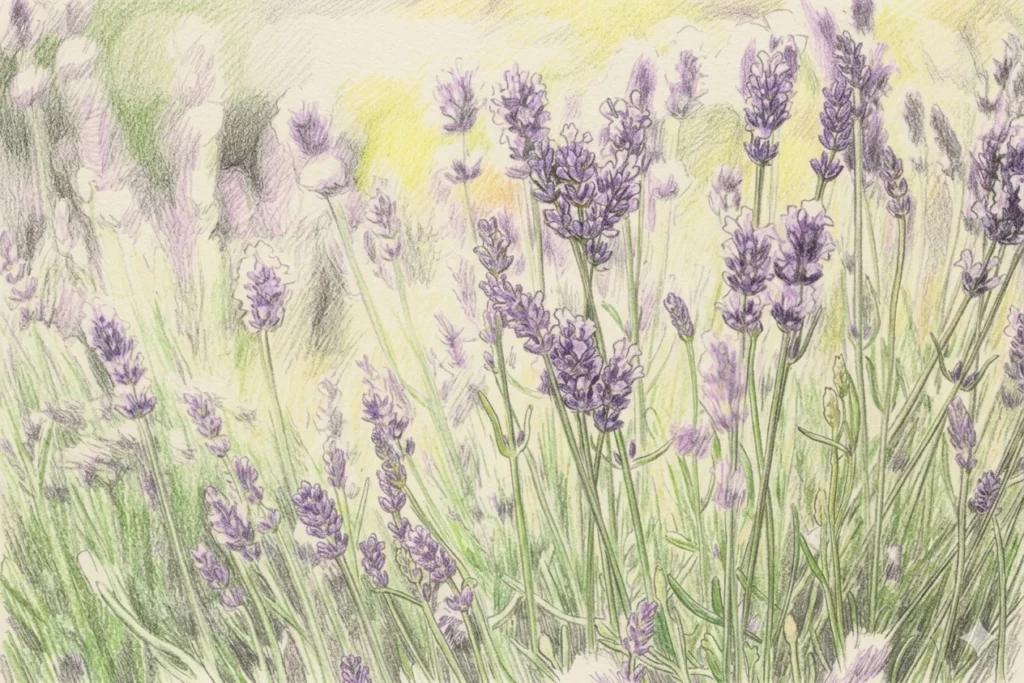
English Lavender (Lavandula angustifolia)
- ‘Hidcote’: Compact, deep purple flowers; excellent for edging and containers; performs well in Gauteng and cooler regions
- ‘Munstead’: Early-flowering, heat-tolerant; ideal for cut flowers and retail nurseries
- ‘Royal Velvet’: High oil content; superior for commercial distillation
- ‘Folgate’: Vigorous grower; adapts well to summer rainfall areas
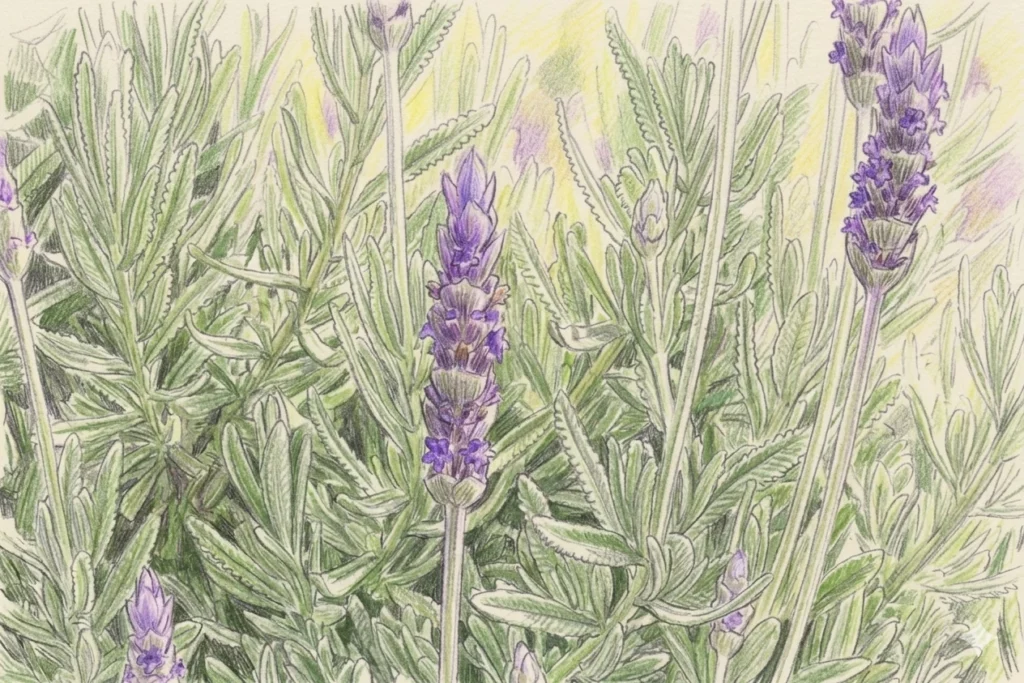
French Lavender (Lavandula dentata)
- Toothed, aromatic foliage
- Long flowering season (often year-round in mild climates)
- Heat and humidity tolerant
- Less cold-hardy than English types
- ‘French Lace’: Variegated foliage; popular for retail sales
- ‘Goodwin Creek Grey’: Compact habit; thrives in Pretoria and Johannesburg gardens
lavender borders and edging
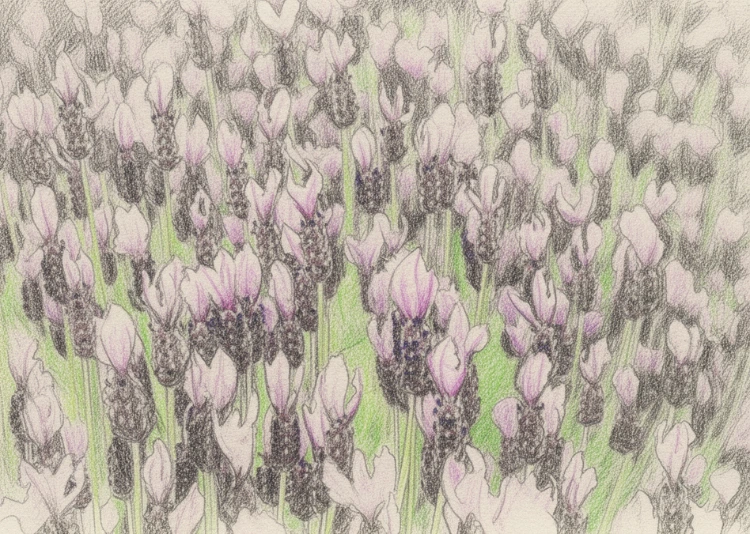
Spanish Lavender (Lavandula stoechas)
- Distinctive “rabbit ear” bracts
- Compact, bushy growth
- Tolerates poor soils
- Spectacular spring display
- ‘Anouk’: Long flowering period; heat tolerant
- ‘Helmsdale’: Deep purple bracts; performs well in Western Cape
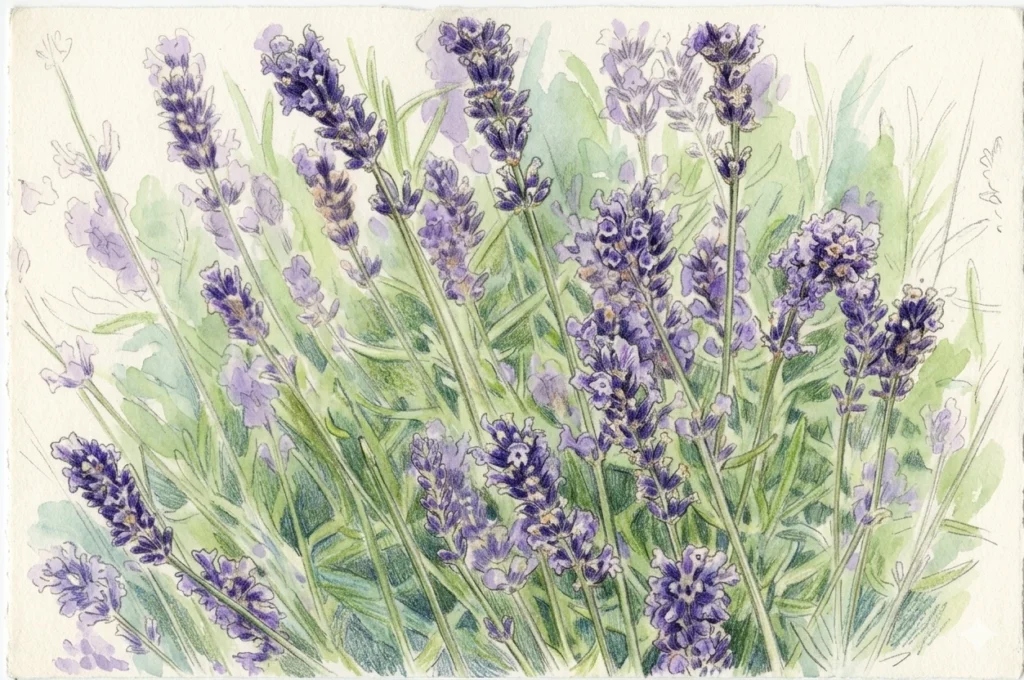
Lavandin Hybrids (Lavandula x intermedia)
- Cross between L. angustifolia and L. latifolia
- Larger plants with higher biomass
- Superior oil yields (though different oil profile to English lavender)
- More heat and humidity tolerant
- ‘Grosso’: Industry standard for oil production; disease resistant
- ‘Provence’: Classic fragrance; excellent for dried flowers
- ‘Seal’: Cold-hardy; adapts well to Highveld conditions
lavender climate adaptation Africa
Cultivar Selection Guide by Region
Heat-Tolerant & Indigenous Alternatives
- Lavandula pinnata (Fern-leaf lavender): Thrives in tropical and subtropical zones
- Lavandula viridis (Green lavender): Unusual green-yellow flowers; heat loving
- Indigenous Alternatives: Eriocephalus africanus (Kapokbos) offers similar silvery foliage and drought tolerance for water-wise African gardens
Region | Recommended Types | Key Considerations |
|---|---|---|
Western Cape | English, Spanish, Lavandin | Winter rainfall ideal; watch for summer humidity in coastal areas |
Gauteng/Highveld | English, Lavandin, French | Summer rainfall requires excellent drainage; protect from frost when young |
KZN Midlands | English, French, Lavandin | Humidity management critical; choose disease-resistant varieties |
Karoo/Northern Cape | Spanish, Lavandin, English | Irrigation essential; low humidity reduces disease pressure |
East Africa Highlands | English, Lavandin | Altitude compensates for equatorial location; excellent oil quality potential |
At LavenderSA, we specialise in supplying premium, climate-adapted lavender plants for commercial growers, retail nurseries, and home gardeners throughout South Africa and Africa. Whether you're dreaming of a fragrant garden border, launching a lavender farming enterprise, or exploring value-added products, this comprehensive guide will help you understand why lavender is becoming one of Africa's most exciting horticultural opportunities.
The Remarkable Uses & Value of Lavender
1. Essential Oil Production
- Aromatherapy and wellness products
- Natural perfumery and cosmetics
- Pharmaceutical-grade extracts
- Household cleaning products
2. Dried Flowers & Crafts
- Dried bouquets and wreaths
- Potpourri and sachets
- Wedding decorations
- Craft fair merchandise
3. Fresh Cut Flowers
- Wedding bouquets
- Event decorations
- Farmers’ market sales
- U-pick operations
4. Culinary Applications
- Lavender honey (beekeepers value lavender forage)
- Baking (biscuits, scones, cakes)
- Herbal teas and infusions
- Gourmet seasoning blends
- Lavender sugar and salt
5. Medicinal & Wellness Products
- Sleep aids and pillow mists
- Stress relief and anxiety management
- Natural antiseptic for minor burns and cuts
- Headache relief (temples and pulse points)
- Insect repellent properties
6. Ornamental & Landscape Value
- Water-wise landscaping (xeriscaping)
- Edging and borders
- Pollinator gardens (attracts bees, butterflies)
- Container gardening
- Erosion control on slopes
7. Agritourism & Experiences
- U-pick lavender fields
- Photography and wedding venues
- Farm tours and workshops
- On-site cafés featuring lavender products
- Seasonal festivals (lavender harvest celebrations)
8. Value-Added Product Lines
- Soaps and bath products
- Candles and room sprays
- Skincare (lotions, balms, serums)
- Linen sprays and drawer sachets
- Pet products (calming sprays)
- Gift hampers and corporate gifts
drought tolerant lavender
Economic Value & Commercial Potential
Market Trends Favouring African Lavender
Natural & Organic Products: African consumers increasingly prefer chemical-free alternatives
Wellness Tourism: Lavender farms align with experiential travel trends
Export Opportunities: EU and Middle East demand for African-grown botanicals
Job Creation: Labour-intensive harvesting supports rural employment
lavender - Fragrance Zoning in Landscape Design
Growing Lavender Successfully in Africa

Site Selection
- Sunlight: Full sun (6-8 hours daily minimum)
- Soil: Well-drained, sandy or gravelly loam; pH 6.5-7.5
- Slope: Gentle south-facing slopes in hot regions; north-facing in cooler areas
- Air Circulation: Avoid frost pockets and humid, stagnant areas
- Water Access: Irrigation essential in summer rainfall and arid regions
Planting Guidelines
- English lavender: 60-90 cm apart
- Lavandin: 90-120 cm apart
- Spanish lavender: 45-60 cm apart
- Winter Rainfall: Plant in autumn (March-May)
- Summer Rainfall: Plant in spring (September-November) after frost risk passes
- Test soil pH and amend with agricultural lime if below 6.5
- Incorporate coarse sand or gravel for drainage (lavender hates wet feet)
- Avoid rich compost or high-nitrogen fertilisers (promotes weak growth)
- Create raised beds or mounds in heavy clay soils
Irrigation Management
- Establishment Phase: Water regularly for first 12-18 months
- Mature Plants: Drought-tolerant but benefit from deep, infrequent watering
- Avoid: Overhead irrigation (promotes fungal disease); use drip systems
- Summer Rainfall Areas: Ensure perfect drainage; consider container cultivation if soils are heavy
Pruning & Maintenance
- Light Pruning: After flowering (late summer/autumn)
- Hard Pruning: Early spring before new growth (never cut into old wood)
- Rule of Thumb: Remove 1/3 of current year’s growth; never prune below leaf nodes on woody stems
- Mulch with gravel or stone (retains heat, suppresses weeds, improves drainage)
- Avoid organic mulches that retain moisture around stems
- Hand-weed carefully; lavender has shallow roots
- Root Rot: Prevent with excellent drainage; avoid overwatering
- Leaf Spot: Improve air circulation; remove affected foliage
- Spittlebugs: Generally cosmetic; hose off or tolerate
- African Challenges: Monitor for root-knot nematodes in sandy soils; use resistant rootstocks if necessary
Soil Improvement Through Root Action
LavenderSA: Your Trusted Partner in African Lavender Cultivation
What We Offer:
- Disease-free, field-ready lavender plants
- Cultivars selected and trialled for African conditions
- Bulk wholesale quantities for commercial growers
- Retail-ready pots for garden centres and nurseries
- Custom propagation orders with sufficient notice
- Cultivar selection guidance for your specific region
- Planting and establishment advice
- Ongoing agronomic support
- Connections to distillation services and markets
- Scheduled production runs for consistent availability
- Regional distribution throughout Pretoria, Gauteng, and South Africa
- Scalable orders from 50 plants to 5,000+ units
- Custom orders for specific cultivars, pot sizes, or timing
Who We Serve:
🌿 Retail Nurseries & Garden Centres – Stocking popular lavender varieties
🌿 Landscape Contractors – Specifying lavender for water-wise gardens
🌿 Essential Oil Producers – Sourcing high-oil-content cultivars
🌿 Agritourism Ventures – Creating Instagram-worthy lavender fields
🌿 Home Gardeners – Starting your lavender journey with quality plants
Commercial lavender cultivation opportunities
across African continent
Getting Started with Lavender in Africa
Your Action Plan:
Evaluate climate, soil, water access, and market opportunities
Essential oil? Dried flowers? Retail plants? Agritourism? Multiple streams?
Match varieties to your region and intended use (contact us for recommendations)
Plant a trial block (100-500 plants) to learn before expanding
Join lavender grower associations; attend workshops; connect with experienced farmers
Don’t wait until harvest to find buyers; build relationships with processors, retailers, and customers
Work with LavenderSA for quality plants and ongoing support
water-wise lavender landscaping
How to Choose the right lavender for your South African Project
Selecting lavender isn’t just about colour or fragrance—it’s about matching the right cultivar to your climate, purpose, and maintenance expectations. At LavenderSA, we’ve grown lavender in Pretoria since 2012, and we’ve learned which varieties deliver results across South Africa’s diverse regions.
If you’re planting a water-wise border, sensory garden, or container display, start with climate-adapted varieties:
- Gauteng/Highveld: Choose hardy English Lavender (‘Hidcote’, ‘Munstead’) or Lavandin (‘Margaret Roberts’) for frost tolerance and summer resilience.
- Western Cape: Most varieties thrive; Spanish Lavender adds ornamental flair in winter-rainfall gardens.
- KZN/Coastal: Prioritise humidity-tolerant types like French Lavender or Fern-leaf Lavender for reliable performance.
When specifying lavender for estates, municipal sites, or retail displays, reliability matters. Our bulk-ready trays feature field-hardened plants with consistent sizing, verified hardiness, and project-timed availability. Lavandin varieties like ‘Grosso’ offer heavy flowering and wind resistance for roundabouts; compact English types provide clean edging for driveways.
Distillers, cosmetic formulators, culinary producers, and wellness brands require traceable, specification-grade material. We supply food-grade English Lavender for culinary use, high-biomass Lavandin for distillation, and ornamental varieties for craft applications—all grown without harmful chemicals and harvested to quality standards.
To protect our growers and customers, LavenderSA does not supply propagation stock, mother plants, or commercial growing licenses. All plants are sold for landscaping, retail, or end-use production only.
Support Native Pollinator Networks

Lavender Varieties Quick Reference
Your essential cheat sheet for identifying, selecting, and cultivating the perfect lavender.
English Lavender
L. angustifolia
Key Identifiers: Compact bush (30-60cm), narrow grey-green leaves, sweet classic floral scent, and very low camphor levels.
Lavandin (Hybrid)
L. × intermedia
Key Identifiers: Larger, robust growth (60-90cm), sharp camphor-herbal scent, and exceptionally high oil yields.
Spanish Lavender
L. stoechas
Key Identifiers: Distinctive "rabbit ear" top bracts, compact shape (30-45cm), and early blooms spanning winter to spring.
ornamental lavender landscaping
Contact us for your successful Lavender planting
Sleep
Calm
Calm
Serenity
Serenity
Aroma
Aroma
Companion Planting for Pest Management
Do you supply lavender plants year-round, or is there seasonal availability?
- Peak availability: Spring (Sept–Nov) and Autumn (Mar–May) offer the widest selection
- Summer: Focus on heat-tolerant varieties and established containers
- Winter: Limited new stock; ideal for planning and pre-ordering spring inventory
Commercial clients are encouraged to forecast needs 3–6 months ahead for guaranteed supply.
Can you advise on cultivar selection for my specific region or project?
- Climate and soil analysis recommendations
- Cultivar suitability for essential oil, dried flowers, retail, or landscaping
- Yield projections and harvest timing guidance
- Companion planting and spacing advice for commercial blocks
Request a free cultivar consultation when placing your first wholesale order.
What quality guarantees do you provide on wholesale plants?
- True-to-type and correctly labelled
- Free from visible pests and diseases at time of dispatch
- Grown in compliance with South African nursery standards
If plants fail to establish due to nursery-related issues (reported within 30 days with evidence), we offer replacement or credit. Note: Guarantees exclude damage from improper planting, extreme weather, or neglect.
Which lavender varieties are best for beginner gardeners in South Africa?
- ‘Munstead’ (English): Compact, early-flowering, tolerates Gauteng summers
- ‘Hidcote’ (English): Dense habit, fragrant, excellent for borders and containers
- ‘French Lace’ (French): Long flowering period, heat-tolerant, attractive foliage
- ‘Anouk’ (Spanish): Striking bracts, drought-tolerant once established
When is the best time to plant lavender in South Africa?
- Timing depends on your rainfall region:
- Winter Rainfall (Western Cape): Plant in autumn (March–May) to establish before summer
- Summer Rainfall (Gauteng, KZN, etc.): Plant in spring (September–November) after last frost
- Year-round (mild coastal areas): Plant any time except peak summer heat
Avoid planting during extreme heat, heavy rain, or frost events.
What soil and site conditions does lavender need?
Lavender thrives with:
Full sun: Minimum 6–8 hours direct sunlight daily
Excellent drainage: Sandy or gravelly soil; avoid heavy clay or waterlogged areas
Air circulation: Plant in open spots, not crowded corners
Soil pH: Slightly alkaline (6.5–7.5); amend acidic soils with agricultural lime
Avoid: Rich compost, high-nitrogen fertilisers, or organic mulch touching stems
drought tolerant lavender
Which lavender varieties are best for beginner gardeners in South Africa?
- ‘Munstead’ (English): Compact, early-flowering, tolerates Gauteng summers
- ‘Hidcote’ (English): Dense habit, fragrant, excellent for borders and containers
- ‘French Lace’ (French): Long flowering period, heat-tolerant, attractive foliage
- ‘Anouk’ (Spanish): Striking bracts, drought-tolerant once established
When is the best time to plant lavender in South Africa?
- Timing depends on your rainfall region:
- Winter Rainfall (Western Cape): Plant in autumn (March–May) to establish before summer
- Summer Rainfall (Gauteng, KZN, etc.): Plant in spring (September–November) after last frost
- Year-round (mild coastal areas): Plant any time except peak summer heat
Avoid planting during extreme heat, heavy rain, or frost events.
What soil and site conditions does lavender need?
Lavender thrives with:
Full sun: Minimum 6–8 hours direct sunlight daily
Excellent drainage: Sandy or gravelly soil; avoid heavy clay or waterlogged areas
Air circulation: Plant in open spots, not crowded corners
Soil pH: Slightly alkaline (6.5–7.5); amend acidic soils with agricultural lime
Avoid: Rich compost, high-nitrogen fertilisers, or organic mulch touching stems
Which lavender varieties are best for beginner gardeners in South Africa?
- ‘Munstead’ (English): Compact, early-flowering, tolerates Gauteng summers
- ‘Hidcote’ (English): Dense habit, fragrant, excellent for borders and containers
- ‘French Lace’ (French): Long flowering period, heat-tolerant, attractive foliage
- ‘Anouk’ (Spanish): Striking bracts, drought-tolerant once established
When is the best time to plant lavender in South Africa?
- Timing depends on your rainfall region:
- Winter Rainfall (Western Cape): Plant in autumn (March–May) to establish before summer
- Summer Rainfall (Gauteng, KZN, etc.): Plant in spring (September–November) after last frost
- Year-round (mild coastal areas): Plant any time except peak summer heat
Avoid planting during extreme heat, heavy rain, or frost events.
What soil and site conditions does lavender need?
Lavender thrives with:
Full sun: Minimum 6–8 hours direct sunlight daily
Excellent drainage: Sandy or gravelly soil; avoid heavy clay or waterlogged areas
Air circulation: Plant in open spots, not crowded corners
Soil pH: Slightly alkaline (6.5–7.5); amend acidic soils with agricultural lime
Avoid: Rich compost, high-nitrogen fertilisers, or organic mulch touching stems