
Cultivating Biodiversity: Bees, Beneficial Insects & Premium Bug Hotels
Why Lavender SA champions pollinators and provides scientifically designed habitats for a thriving, pesticide-free garden ecosystem in Gauteng.
At Lavender SA, our passion extends far beyond cultivating premium lavender varieties. We view our farm not merely as a nursery, but as a functioning, dynamic ecosystem. Lavender (Lavandula) is globally recognized as a powerhouse for pollinators, offering high nectar yields and a long blooming season. However, the true success of our lavender, and any healthy garden, relies on a complex web of biological interactions driven by bees and beneficial insects.
Understanding the science of these insects and providing them with the right environment is not just an ecological imperative; it is the foundation of sustainable agriculture and resilient gardening. Here is an in-depth look at the vital role of beneficial insects in South Africa and how we can support them.
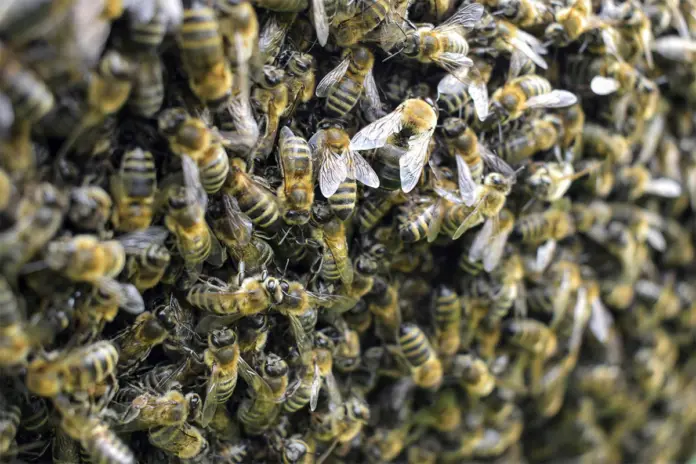
Image: Forage pressure weakens bee populations. (Source: Farmer’s Weekly)
The Pollinators: South Africa’s Bee Species
When people think of bees, they usually picture the honeybee. However, South Africa is home to a diverse array of bee species, each playing a unique role in our ecosystem.
1. The African Honeybee (Apis mellifera scutellata)
This is the most common honeybee subspecies in South Africa. Known for their high foraging activity and resilience, they are exceptional pollinators. Unlike European honeybees, African honeybees are highly adaptable to our harsh, variable climates and are crucial for the pollination of both indigenous flora and commercial crops.
2. The Cape Honeybee (Apis mellifera capensis)
Endemic to the Western Cape, this subspecies is a scientific marvel. Cape honeybee workers possess the unique ability to lay unfertilized eggs that develop into females (thelytokous parthenogenesis). While their range is mostly restricted to the Cape, their genetic uniqueness makes them a vital part of South Africa's apicultural heritage.
3. Solitary Bees (Carpenter, Mason, and Leafcutter Bees)
Solitary bees do not live in hives or produce honey, but they are often superior pollinators to honeybees. Species like the large Carpenter bee (Xylocopa) and various Mason bees (Osmia) carry pollen on the hairy undersides of their abdomens rather than in specialized pollen baskets on their legs. This makes them highly efficient at transferring pollen between flowers. Furthermore, solitary bees are generally non-aggressive, making them ideal for family gardens.
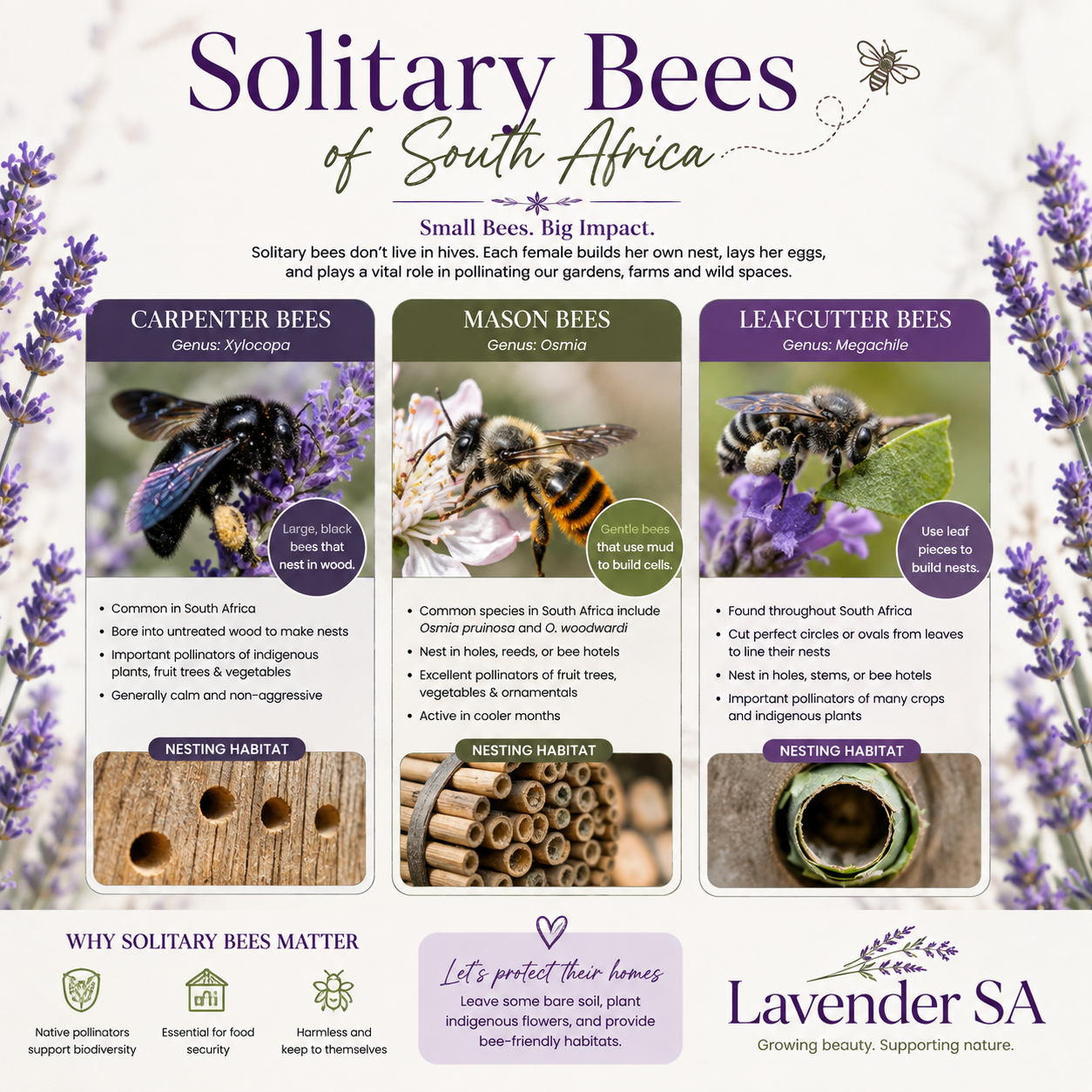
Image: Solitary bees, like this Mason bee,carpenter and leafcutter are highly efficient pollinators and do not require a hive.
Beyond Bees: Other Beneficial Insects
A healthy garden requires more than just pollinators; it requires a biological pest control system. Beneficial predatory and parasitic insects keep pest populations in check, eliminating the need for chemical pesticides.
- Ladybugs (Coccinellidae): Both adult ladybugs and their larvae are voracious predators of aphids, mealybugs, and scale insects. A single ladybug larva can consume hundreds of aphids during its development.
- Green Lacewings (Chrysopidae): The larvae of green lacewings are often called "aphid lions." They possess specialized mandibles that allow them to pierce and suck the bodily fluids of soft-bodied pests.
- Hoverflies (Syrphidae): These insects mimic wasps to avoid predators. While the adults are important pollinators that feed on nectar and pollen, their larvae are highly effective predators of aphids.
- Ground Beetles (Carabidae): These nocturnal hunters patrol the soil surface, feeding on slugs, snails, caterpillars, and other ground-dwelling pests that damage plant roots and foliage.
Globally, we are witnessing a severe decline in insect biomass, often referred to by scientists as the insect apocalypse. Source SANBI .
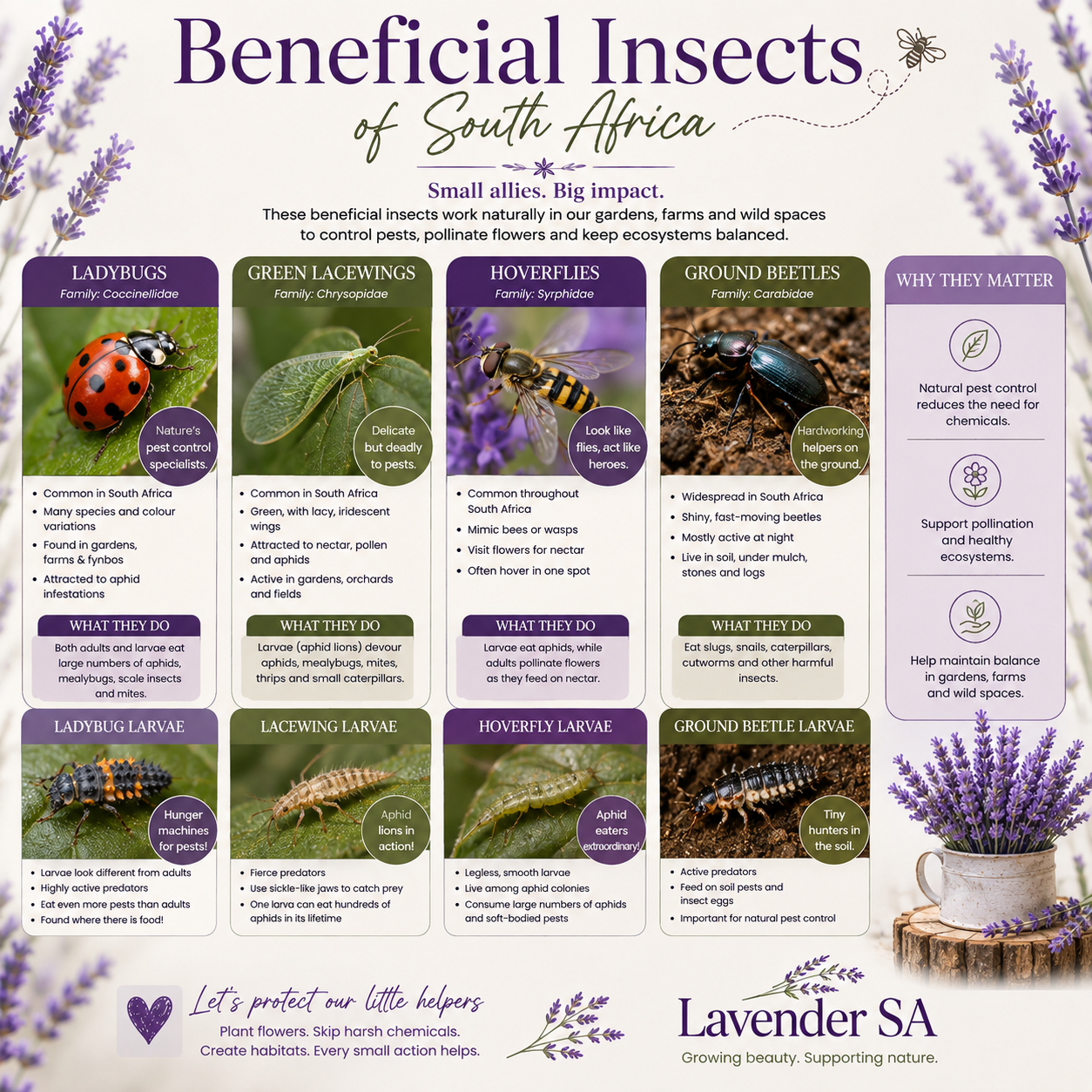 Image: beneficial insects that control pests, pollinate flowers and keep our ecosystem balanced.
The Biological Requirements for Insects to Thrive
To support these populations, a garden must provide three fundamental biological requirements:
- Continuous Forage (Food): Insects require a consistent supply of nectar and pollen from early spring to late autumn. Monocultures create famine periods. Diverse planting, including lavender, ensures a steady food source.
- Habitat and Shelter: Many beneficial insects need protected spaces to overwinter, lay eggs, and escape extreme weather. This includes undisturbed soil, leaf litter, dead wood, and purpose-built shelters.
- Hydration: Insects need water, but deep water sources are drowning hazards. Shallow dishes filled with pebbles or marbles provide safe landing pads for bees and butterflies to drink.
Why You Must Encourage Bugs in Your Garden
The modern instinct to eradicate all insects from a garden is ecologically damaging and counterproductive. Encouraging a robust insect population creates a self-regulating ecosystem. When you foster beneficial insects, you establish a natural Integrated Pest Management (IPM) system. Predatory insects keep herbivorous pests below the threshold of economic or aesthetic damage, reducing or entirely eliminating the need for chemical interventions. Furthermore, without pollinators, your fruit trees, vegetables, and flowering plants will fail to produce yields. Biodiversity is the ultimate indicator of garden health.
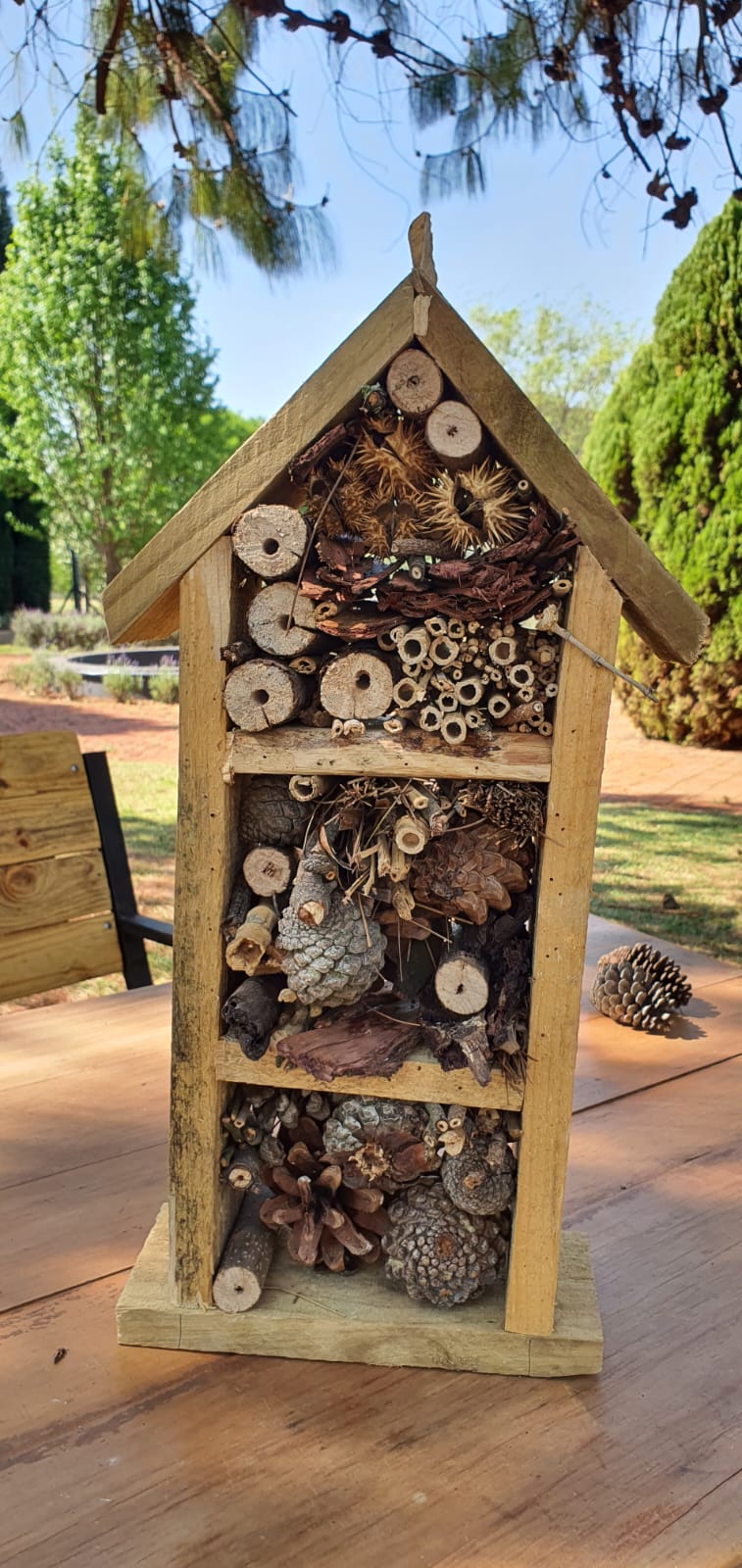 Custom handmade bug hotels available from Lavender SA .
The Rise of the Bug Hotel: Global Trends and Ecological Significance
Globally, we are witnessing a severe decline in insect biomass, often referred to by scientists as the "insect apocalypse." In response, the international gardening community has shifted away from sterile, manicured lawns toward rewilding and ecological gardening. Bug hotels (or insect hotels) have become a central feature of this movement, recognized by conservationists as vital micro-interventions in urban and suburban environments. They provide critical nesting sites for solitary bees and overwintering shelter for predatory insects, directly combating habitat loss.
Choosing a Quality Bug Hotel: The Lavender SA Standard
As bug hotels have trended globally, the market has been flooded with cheap, mass-produced versions from platforms like Temu and AliExpress. While they may look attractive in a photograph, these cheap alternatives are often ecologically useless and can actually harm insect populations.
At Lavender SA, we supply custom-made, premium bug hotels designed with biological accuracy and longevity in mind. Here is what you must look for in a quality bug hotel, and why our products stand apart:
1. Material Safety and Toxicity
The Cheap Alternative: Mass-produced hotels often use treated, painted, or varnished wood. The chemicals in these finishes are toxic to insects and can kill the very creatures the hotel is meant to protect.
The Lavender SA Standard: We use only untreated, sustainably sourced hardwoods and natural materials. Our hotels are entirely non-toxic, ensuring a safe environment for nesting bees and overwintering insects.
2. Scientifically Accurate Hole Diameters
The Cheap Alternative: Cheap hotels often feature holes that are too large, too small, or have rough, splintered edges that can tear the delicate wings of solitary bees.
The Lavender SA Standard: Our bamboo and reed tubes are cut cleanly and feature specific diameters (ranging from 2mm to 10mm). Different species of solitary bees require specific hole sizes to lay their eggs, and smooth edges prevent wing damage.
3. Ventilation and Moisture Control
The Cheap Alternative: Poorly designed hotels trap moisture inside the compartments. This leads to the rapid growth of mold and fungi, which can decimate an entire generation of bee larvae.
The Lavender SA Standard: Our designs incorporate proper airflow and weather-resistant, overhanging roofs. This ensures the interior remains dry and well-ventilated, preventing fungal growth while protecting the inhabitants from heavy rain.
4. Durability and Structural Integrity
The Cheap Alternative: Glued materials and soft, low-grade woods degrade within a single season, falling apart in the South African sun and rain.
The Lavender SA Standard: Built to withstand local weather conditions, our premium bug hotels are constructed for longevity, providing a permanent, reliable habitat for your garden's ecosystem year after year.
"Bees, together with other insect pollinators, are vital for our well-being because they pollinate over 75% of the world's leading food crops such as fruits, vegetables and nuts. In addition, without these pollinators pollinating the world, we wouldn't enjoy the floral beauty of our landscapes."
— Professors Christian Pirk and Abdullahi Yusuf
Department of Zoology & Entomology
Social Insects Research Group (SIRG)
University of PretoriaSource: UP Expert Opinion: Bees are vital for human health and food security, May 22, 2024. Read full article
Partner with the Experts
At Lavender SA, we do not just sell plants; we provide the knowledge and the tools to build a thriving, self-sustaining ecosystem in your own backyard. Whether you are looking for the perfect lavender varieties to attract pollinators, or a premium, scientifically designed bug hotel to house them, we are your definitive source in South Africa.
Visit us during our public walk-in hours this Saturday from 9:00 AM to 1:00 PM to view our bug hotels in person, or contact us to arrange a private consultation.
Frequently Asked Questions
Mass-produced bug hotels often use treated or painted wood containing toxic chemicals that can harm insects. They also frequently feature improperly sized holes with splintered edges that damage bee wings, and poor ventilation that traps moisture, leading to fatal mold and fungal growth.
A bug hotel should be placed in a sheltered, south- or east-facing location that receives morning sun but is protected from harsh afternoon heat and heavy rain. It should be mounted securely at least one meter off the ground to prevent dampness from the soil and deter ground predators.
Yes, maintenance is crucial for a premium bug hotel. Once a year, ideally in late autumn, you should gently remove and replace the natural materials (like bamboo tubes or pinecones) to prevent the buildup of parasitic wasps, mold, or mites that can harm overwintering beneficial insects.
No. Bug hotels are designed specifically for solitary bees (like Mason and Leafcutter bees) and beneficial predatory insects. Solitary bees do not have a queen to defend, do not produce honey, and are exceptionally docile. They will not swarm or sting unless physically crushed.
"Pollinator advocacy isn't a luxury; it's a necessity."
— Prof Abdullahi Yusuf and Prof Christian Pirk
Social Insects Research Group (SIRG)
Department of Zoology and Entomology
University of PretoriaSource: World Bee Day Expert Opinion, May 19, 2024. Read more