
Reading the Weeds: How Wild Plants Reveal Your Soil's pH
Before you spend a cent on soil tests, let the weeds tell you what's happening underground — a grower's guide for lavender farmers.


Long before pocket pH meters, farmers read their soil by looking at what grew in it uninvited. Weeds are nature's soil test: each species thrives only within a narrow range of pH, moisture and fertility, so a walk through your field — and the verges beside your dirt road — can reveal exactly what your ground is doing.
For lavender growers this matters more than most. Lavender wants slightly alkaline, free-draining soil around pH 6.5–7.5. Plant it into acidic, waterlogged ground and no amount of care will save it. Here is the indicator guide we use before replanting a single row.
Warning signs
Weeds of Acidic Soil (pH below ~6.5)
If these species dominate your field, your soil is likely too acidic for lavender — especially the English types (Munstead, Hidcote, Blue Spear), which are the most pH-sensitive of all.

.jpg)

_MRD.jpg)


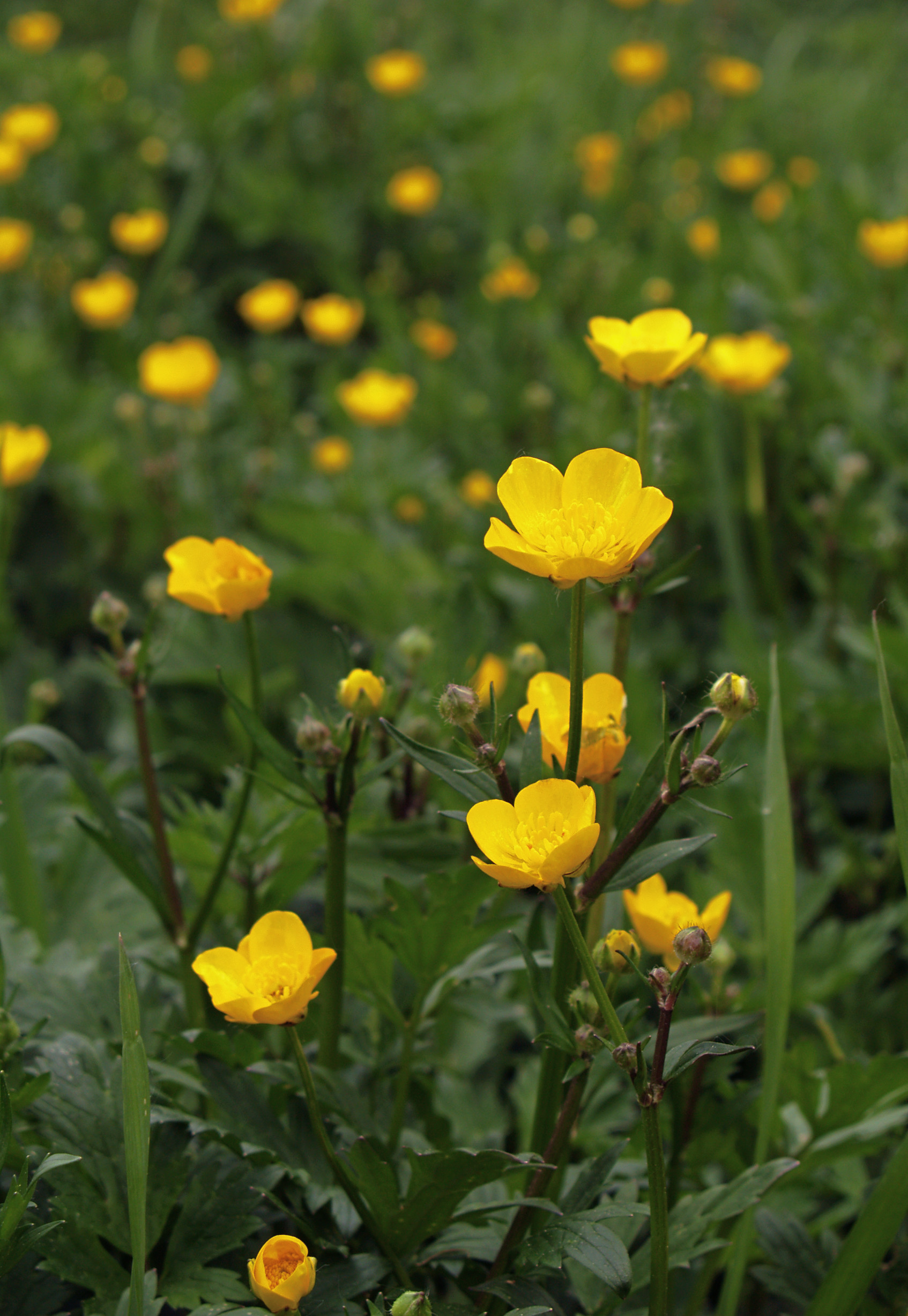

Also watch for: moss, hawkweed, bracken fern, knotweed, mullein, oxalis and daisies — all comfortable in acid, low-fertility ground.
If acid indicators dominate: plan to incorporate agricultural or dolomitic lime before planting, and re-test after 3 months. Lime moves slowly — start early.
Good news
Weeds of Neutral-to-Alkaline Soil (pH ~7+)
These lime-loving species are the green light a lavender grower wants to see. Several of them share lavender's own taste for sweet, chalky, free-draining ground.

._Locatie,_De_Kruidhof_Buitenpost.jpg)


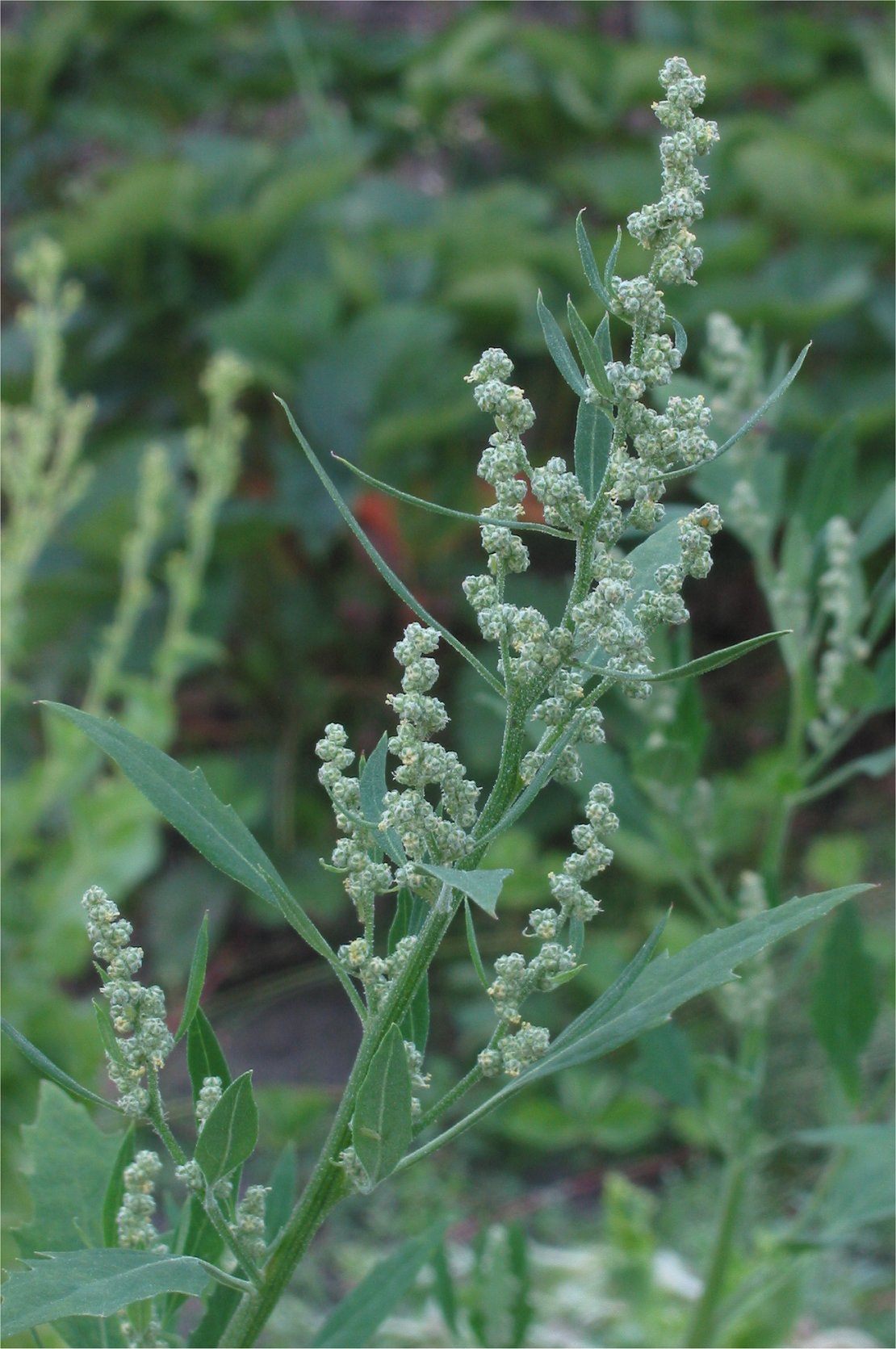

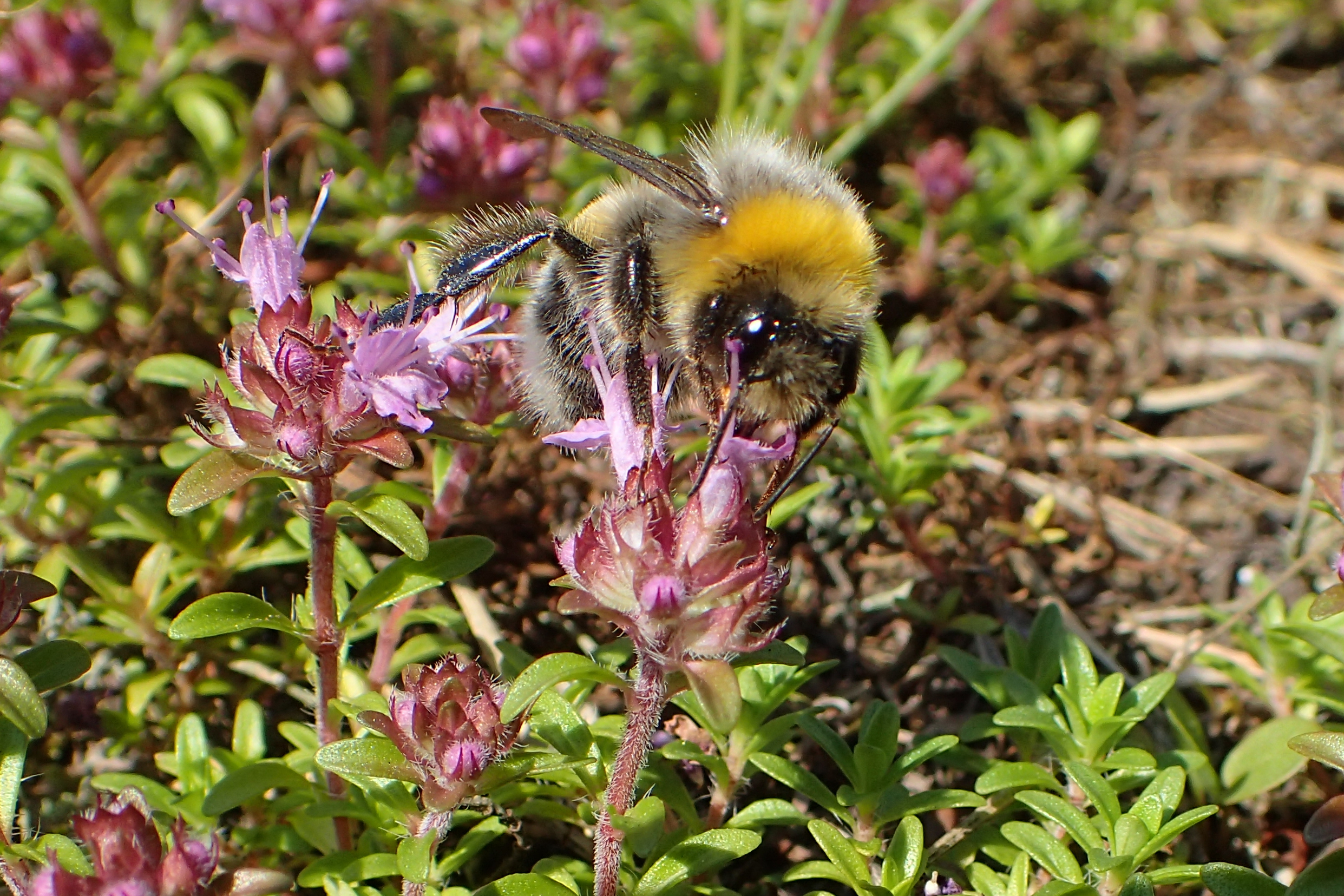

Also welcome: wild mustard / charlock, corn poppy, bladder campion, cowslip, salad burnet and meadow sage — all classic lime-lovers.
Fun fact: lavender itself is a calcareous-soil indicator plant. Where wild thyme and sage thrive unaided, lavender usually will too.
Beyond pH: What Else the Weeds Confess
pH is only half the story. Lavender dies from wet feet and floppy, over-fed growth faster than from anything else — and weeds report on both.
| Condition | Indicator weeds | Why lavender cares |
|---|---|---|
| Wet / poor drainage | Horsetail, buttercup, moss, rushes, sedges | Root rot is lavender's #1 killer — treat these as stop signs |
| Compaction | Dandelion, plantain, knotweed, chicory | Roots can't establish; drainage suffers even on slopes |
| Low fertility | Ragweed, mullein, yarrow, sorrel | Not a problem — lavender actually prefers poor soil |
| High nitrogen | Nettle, chickweed, lambsquarters | Excess N = floppy growth, weak stems, poor oil content |
Applying It on a Sloping Lavender Field
Indicator weeds shift with micro-zones. On a sloping triangle field — hot, dusty bottom rows beside a dirt road; cooler, damper taper at the top — walk and read three zones separately: the bottom rows, mid-field, and the upper taper.
Cold air and water both drain downhill, so your acidic or wet indicators will usually concentrate at the base — exactly where you'd least want them.
Weeds give you the direction of your pH; a test gives you the number. Use both — the weeds tell you where to sample, the kit tells you how much lime (or sulphur) to add.
Confirm It in Five Minutes (Free)
- Vinegar test: soil in a cup + vinegar. Fizzing = alkaline.
- Baking soda test: wet the soil, add baking soda. Fizzing = acidic.
- Cabbage juice test: boiled red-cabbage juice turns pink in acid, blue-green in alkaline.
- Then verify: a liquid test kit per zone, or one lab test (pH + nutrients) before ordering lime or planting English varieties.
"The weeds were growing there before you were. They already know your soil — your job is simply to listen."